Lectures
OAHS Lecture Programme
Our annual lecture programme comprises 10 lectures. From October to December lectures will be held live at Rewley House, open to everyone and FREE to attend. There is no need to book.
In January and February lectures will be online on Zoom, and you should book a place in order to receive the link. Booking for these lectures will open in December.
The final lecture in March will be live at Rewley House and also available on Zoom.
The Oxfordshire Buildings Record Lecture 2026:
Lewknor Barn and Culham Manor: Some Puzzles Explored
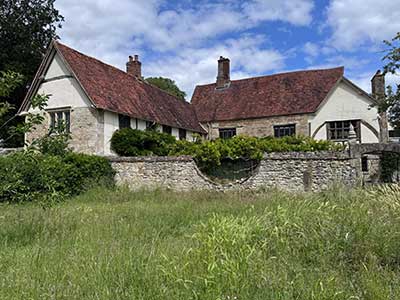
Date: 13 October 2026
Time: 17.30-18.30
Lecturer: Nick Wright, Julian Munby and David Clark
Location: Rewley House
Cost: Free
No of Places: 110
No Booking Required
Nick Wright works in conservation and undertakes research into vernacular buildings; Julian Munby was Head of Buildings Archaeology at Oxford Archaeology; and David Clark is a former President of the Vernacular Architecture Group. All three speakers are past or present officers of Oxfordshire Buildings Record.
The Antiquities Collection of Caspar Fleming
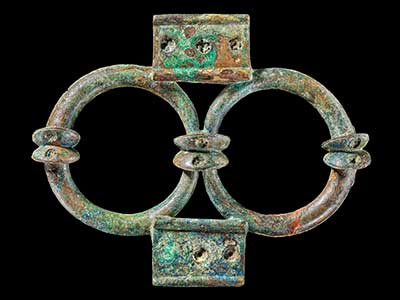
Date: 27 October 2026
Time: 17.30-18.30
Lecturer: Edward Biddulph
Location: Rewley House
Cost: Free
No of Places: 110
No Booking Required
Edward Biddulph is a Senior Project Manager at Oxford Archaeology, and the author of The James Bond Lover’s Guide to Britain.
Oxford's Medieval Quads and Cloisters: The Architectural Context
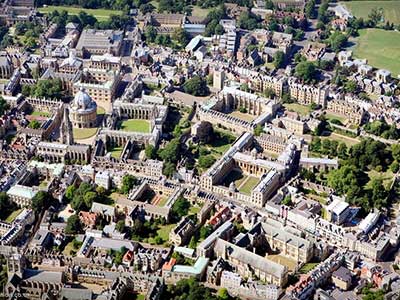
Date: 10 November 2026
Time: 17.30-18.30
Lecturer: Nigel Hiscock
Location: Rewley House
Cost: Free
No of Places: 110
No Booking Required
Nigel Hiscock is a graduate of the Oxford School of Architecture, where he later taught for 35 years before retiring in 2005.
Fair and Square: Investigating the Archaeology of Park Corner, Nettlebed
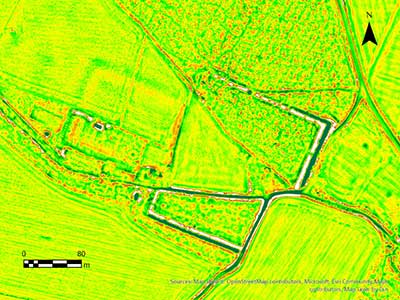
Date: 24 November 2026
Time: 17.30-18.30
Lecturer: Wendy Morrison
Location: Rewley House
Cost: Free
No of Places: 110
No Booking Required
Dr Wendy Morrison is the Director of the Chilterns Heritage and Archaeology Partnership and Senior Associate tutor for Archaeology, University of Oxford Lifelong Learning.
How Oxford Lost a Listed Building: The Story of the LMS Rewley Road Railway Station
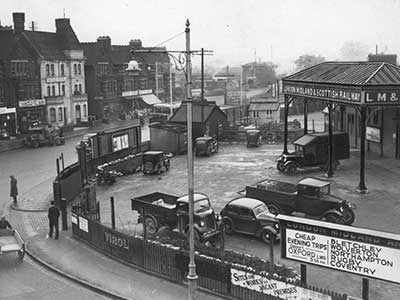
Date: 08 December 2026
Time: 17.30-18.30
Lecturer: Julian Munby
Location: Rewley House
Cost: Free
No of Places: 110
No Booking Required
Julian Munby FSA was Head of Buildings Archaeology at Oxford Archaeology. He has been researching the history of Oxford for many years and is a Trustee of the Oxford Preservation Trust. He currently chairs the OAHS Listed Buildings Committee.
England’s Oldest Town?: The Archaeology of Abingdon
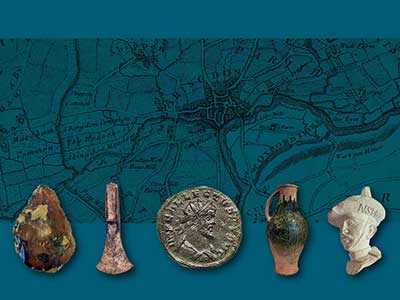
Date: 12 January 2027
Time: 17.30-18.30
Lecturer: Roger Thomas
Location: Online on Zoom
Cost: Free
No of Places: 110
Closing Date for Bookings: 10 January 2027
Bookings will open on 31 December 2026
Roger Thomas is a professional archaeologist and Oxford University tutor. He has lived in Abingdon for much of his life, and recently published a book, England's Oldest Town? The Archaeology of Abingdon.
Chastleton to Enstone: Some Themes from the Forthcoming VCH Volume
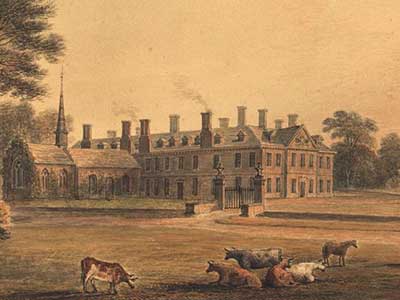
Date: 26 January 2027
Time: 17.30-18.30
Lecturer: Simon Draper, Mark Page, Simon Townley
Location: Online on Zoom
Cost: Free
No of Places: 110
Closing Date for Bookings: 24 January 2027
Bookings will open on 31 December 2026
William Townesend and the Building of 18th-century Oxford
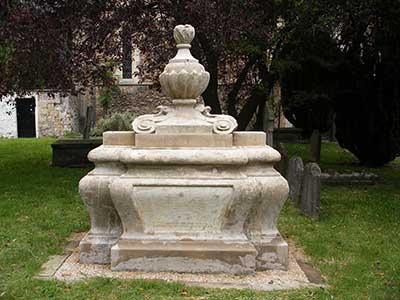
Date: 09 February 2027
Time: 17.30-18.30
Lecturer: Geoffrey Tyack
Location: Online on Zoom
Cost: Free
No of Places: 110
Closing Date for Bookings: 07 February 2027
Bookings will open on 31 December 2026
Geoffrey Tyack is an architectural historian, and the President of OAHS.
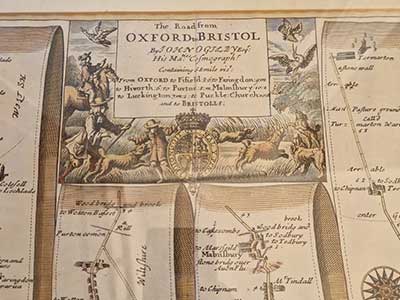
The Forgotten Road from Oxford to Bristol
Date: 23 February 2027
Time: 17.30-18.30
Lecturer: David Mitchell
Location: Online on Zoom
Cost: Free
No of Places: 110
Closing Date for Bookings: 21 February 2027
Bookings will open on 31 December 2026
The Tom Hassall Lecture 2027:
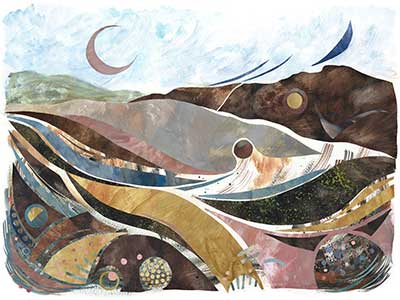
Archaeology and Wilding: Exploring the Makeup of Archaeological Wildlife and its Role in Nature Recovery
Date: 09 March 2027
Time: 17.30-18.30
Lecturer: Anwen Cooper
Location: Rewley House and Online on Zoom
Cost: Free
No of Places: 110
Closing Date for Bookings: 07 March 2027
Bookings will open on 31 December 2026
Anwen Cooper leads the UKRI-funded 'Rewilding' later prehistory project at Oxford Archaeology. Her research interests include later prehistoric north-west Europe, and interpretative approaches to landscape, material culture, and archaeological practice. She was publication editor and co-author of the Cambridge Archaeological Unit’s award-winning Must Farm Pile-Dwelling Settlement.
Oxfordshire Architectural and Historical Society is a registered charity, No 259055.
All Rights Reserved © OAHS 2010-2026
Privacy Policy
Committtee Login